The Evolution of Luxury Living: Trends in Real Estate Design
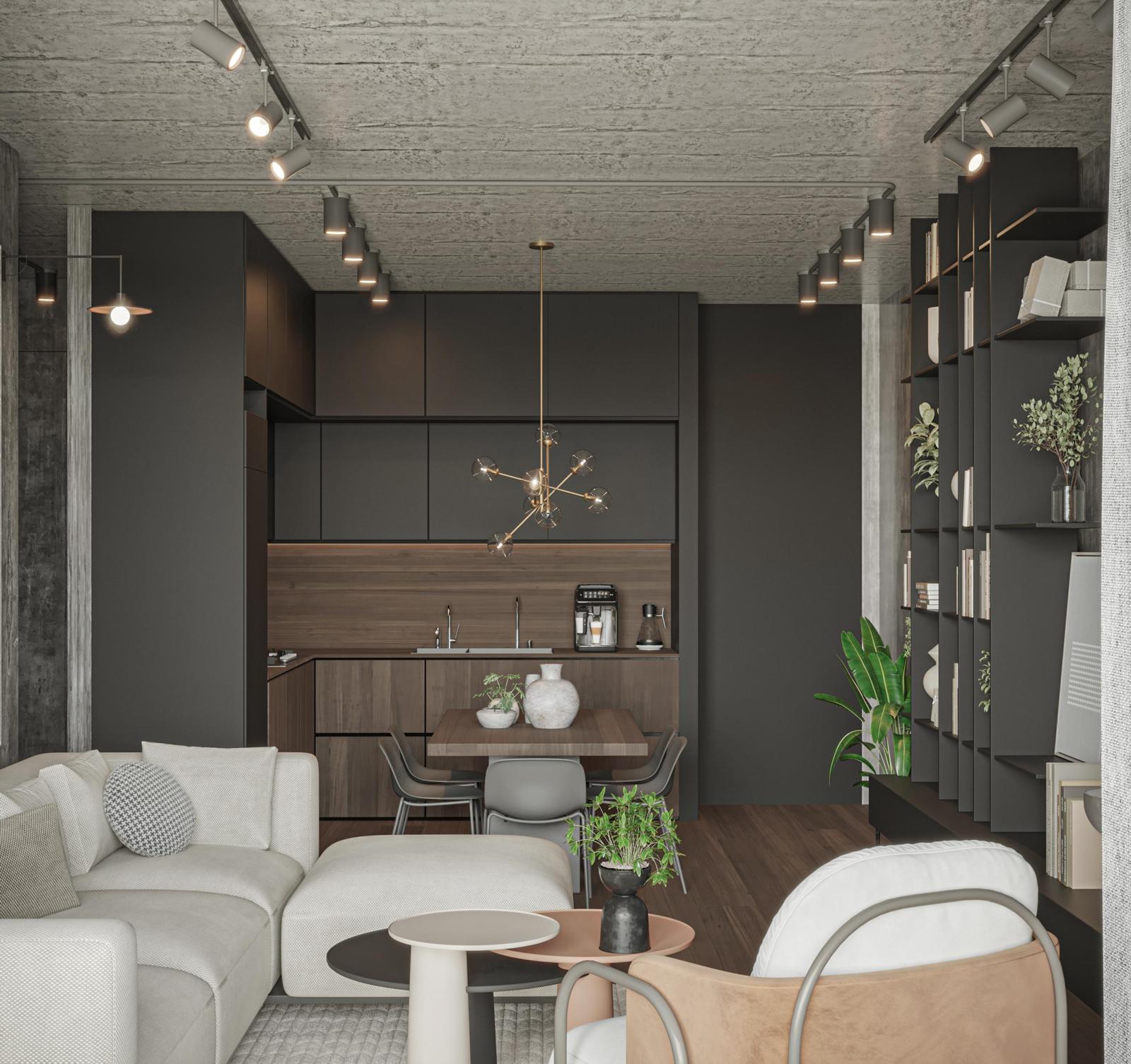
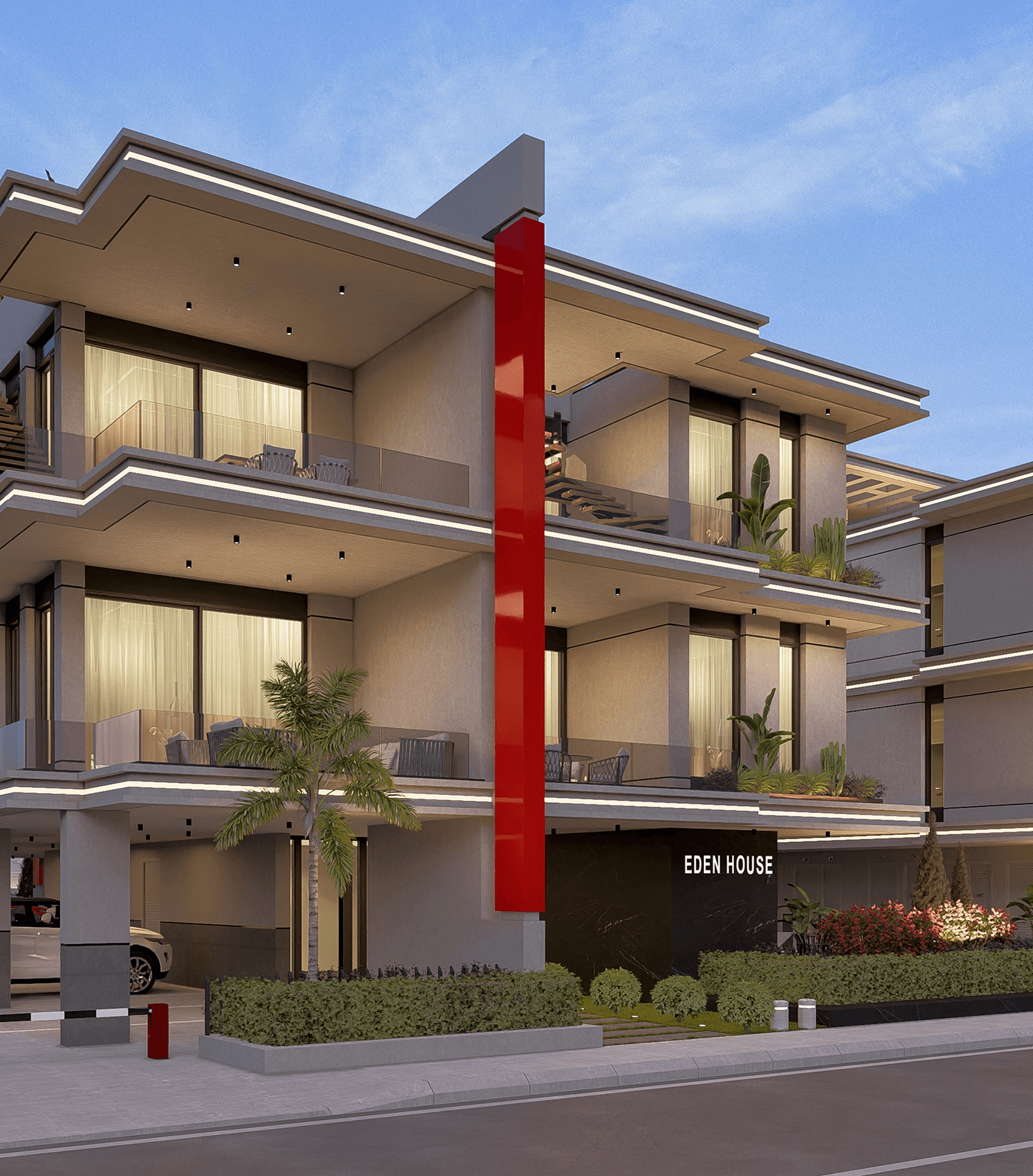
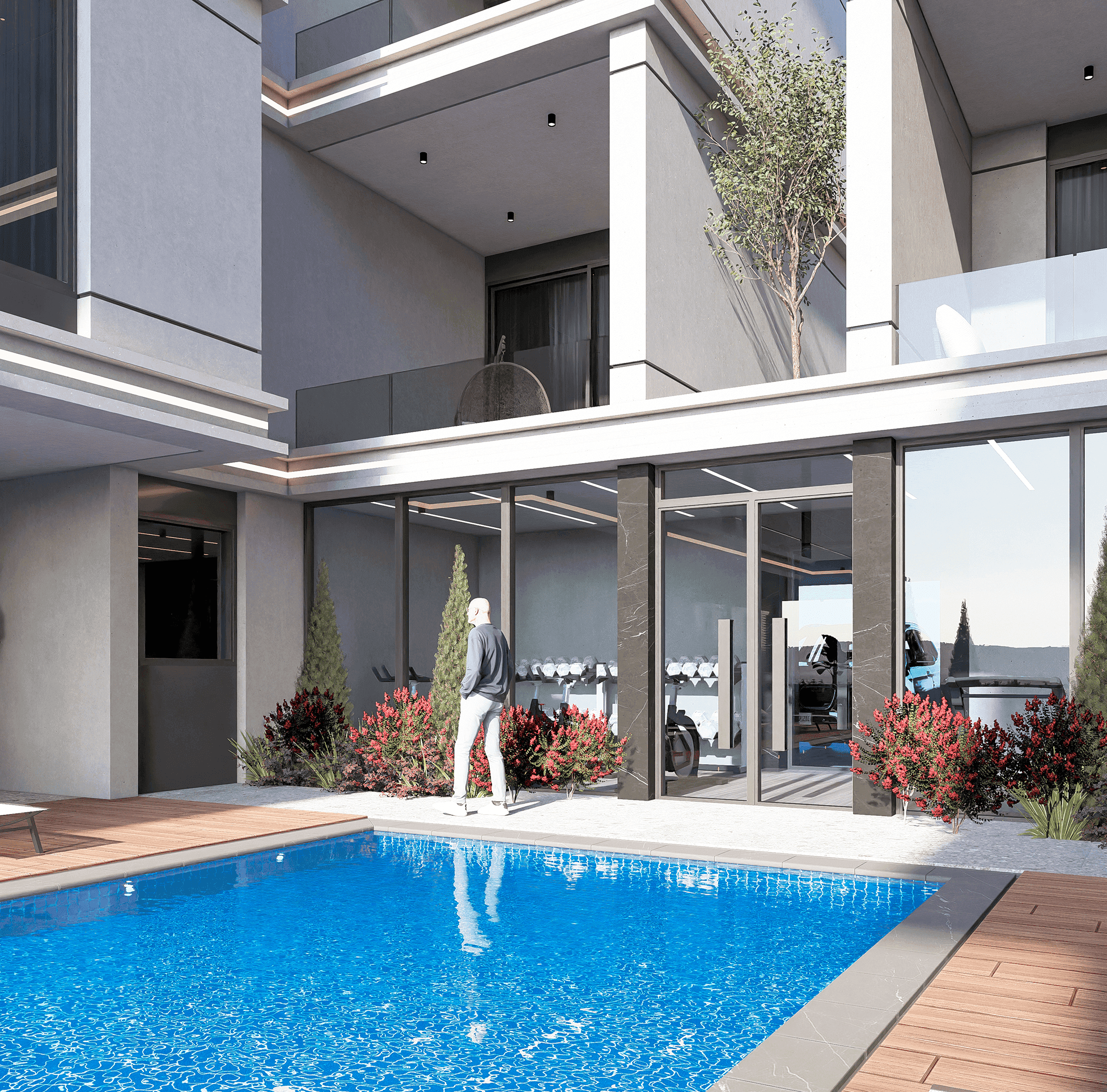
Welcome to Eden House, a thoughtfully designed residential development that redefines luxury living in Aradipou, Larnaca. This exclusive collection of modern condominiums offers an unparalleled blend of sophistication, comfort, and convenience. Whether you’re a family looking for a peaceful neighborhood, a professional seeking easy access to the city’s business hubs, or an investor aiming for high-value real estate, Eden House delivers an exceptional opportunity. Located in one of Larnaca’s most desirable areas, residents enjoy seamless access to shopping districts, gourmet dining, private schools, and cultural landmarks. With contemporary architecture, high-end finishes, and sustainable design, Eden House is more than just a home—it’s a lifestyle.
Introduction
In the realm of real estate design, luxury living is undergoing a fascinating transformation. Once characterized by ornate detailing and historical grandeur, the modern definition of luxury now emphasizes a blend of aesthetic innovation, eco-conscious building practices, and technologically advanced home automation. Today’s luxury spaces are not only about visual splendor; they’re about creating environments that respond to your lifestyle, values, and desire for sustainability. In this post, we’ll touch on three major themes that are steering this transformation: Modern Architecture: How bold, innovative design is reshaping skylines and redefining what is possible in real estate. Sustainable Materials: The increasing focus on eco-friendly, sustainable building practices that honor our planet while delivering top-tier quality. Smart Home Technologies: The seamless integration of technology that makes homes not just smarter, but also more responsive to our everyday needs. Our journey begins with a look back at the historical roots of luxury design before exploring the modern trends that are setting the stage for the future.
Historical Perspective on Luxury Living
Historically, luxury in real estate was synonymous with grandeur and impeccable craftsmanship. Think lavish estates adorned with intricate moldings, towering columns, and meticulously landscaped gardens. These spaces were built to impress, reflecting the wealth, status, and refined tastes of their owners. Architectural masterpieces like European chateaus or opulent mansions in America set the benchmark for luxury—places where every detail was a testament to the artistry and dedication of master craftsmen. Influences of Culture, Economy, and Technology As time progressed, cultural shifts and economic transformations began to reshape the definition of luxury. The industrial revolution, for instance, not only spurred technological advances but also democratized the access to design innovations. In parallel, the rise of global travel and cross-cultural exchanges brought new aesthetics into the limelight. Eastern influences, minimalist Scandinavian design, and Mediterranean warmth slowly blended with traditional Western luxury, evolving the landscape into something richer and more varied. Technological innovations, from improved construction techniques to the advent of modern materials like steel and glass, gradually allowed designers to experiment beyond traditional boundaries. This period of transformation set the stage for the modern trends we see today—where luxury is not static but a dynamic interplay of history, innovation, and sustainability.
Modern Trends in Luxury Real Estate Design
As we move further into the 21st century, luxury living is being reimagined. Let’s break down the modern trends that are at the forefront of this evolution. Innovative Architecture Modern architectural practices have moved away from merely echoing the past. Today’s architects are crafting designs that challenge conventional norms. Bold geometries, open floor plans, and dramatic use of glass and steel are becoming hallmarks of luxury residences. Consider projects like ultra-modern penthouses that boast expansive glass walls, blurring the boundaries between indoor and outdoor living. These spaces are designed to maximize natural light, create fluid transitions between different areas of the home, and offer breathtaking views of urban or natural landscapes. Sustainability Sustainability has emerged as a non-negotiable pillar of modern luxury. Homeowners today want residences that are not only beautiful but also kind to the environment. Luxury developments increasingly incorporate renewable energy sources such as solar panels, geothermal systems, and rainwater harvesting. Sustainable materials—like reclaimed wood, recycled metal, and eco-friendly concrete—are being used to reduce a building’s carbon footprint. Developments in urban centers now often feature green roofs, vertical gardens, and smart irrigation systems that echo the natural world while enhancing the quality of life for residents. Smart Home Technologies The digital revolution has ushered in a new era of smart homes. Luxury residences are now equipped with cutting-edge technologies that bring unparalleled convenience and efficiency to everyday living. Imagine a home that anticipates your needs: lighting that adjusts automatically to your mood, climate control systems that learn your preferences, and security systems that offer real-time monitoring—all controlled via intuitive interfaces. From integrated voice assistants to sensor-based energy management systems, these technologies are not just futuristic add-ons; they are integral to the design philosophy of modern luxury homes.
Case Studies and Examples
Iconic Projects Leading the Way Several real-world projects have set benchmarks in the luxury real estate space by embodying these modern trends: One Hyde Park, London: A striking example of modern luxury that combines sophisticated architectural design with sustainable practices. This development features state-of-the-art smart home technology and has redefined urban luxury by merging historical context with modern innovation. The Amangani, Wyoming: Nestled in a rugged natural landscape, this resort exemplifies how luxury can be harmoniously integrated with nature. With its emphasis on eco-friendly construction and panoramic views, Amangani offers a serene yet indulgent living experience. Bulgari Residences, Miami: Known for its sleek design and seamless integration of technology, this project is a testament to how luxury living is evolving. The residences here boast smart automation systems, energy-efficient designs, and bespoke interiors that cater to an elite clientele. Impact on Market Value and Lifestyle These projects have not only elevated the standards of luxury living but have also had a significant impact on market dynamics. They demonstrate that modern luxury isn’t just about aesthetics—it’s a holistic approach that boosts market value and enhances quality of life. Homeowners enjoy spaces that are functional, energy-efficient, and deeply connected to both nature and technology. Investors, meanwhile, are recognizing the growing demand for properties that merge cutting-edge design with sustainable living, making these projects highly sought after in competitive markets.
Future Outlook
Looking ahead, the evolution of luxury real estate design is poised to accelerate. Here’s what both investors and homeowners might expect in the coming years: Emerging Trends and Innovations Hyper-Personalization: As technology evolves, we anticipate even more bespoke solutions tailored to individual lifestyles. From AI-driven home management systems to adaptive living environments, the future will likely see homes that are as unique as their residents. Further Integration of Eco-Technologies: With a growing global emphasis on sustainability, expect more developments to push the envelope in eco-friendly design. Innovations such as energy-positive buildings—which generate more energy than they consume—and advanced water recycling systems will likely become mainstream. Urban Green Spaces: As urbanization continues, developers will increasingly blend luxury living with nature. Rooftop gardens, living walls, and urban farms may become integral components of high-end residential complexes, creating mini-oases within bustling cityscapes. Market Shifts The future of luxury real estate is not only about design but also about adaptability. As market preferences shift towards sustainability and smart technology, properties that offer these features will see heightened demand. Investors are expected to channel more resources into projects that align with these modern values, ensuring that the sector remains dynamic and responsive to societal needs. Overall, the trajectory is optimistic: a future where luxury is redefined by innovation, sustainability, and personalization, offering homeowners environments that are as intelligent as they are inspiring.
Conclusion
The evolution of luxury living is a fascinating journey from traditional opulence to a modern, sustainable, and technologically integrated lifestyle. We’ve seen how historical design set the foundation for a rich legacy of elegance and craftsmanship, which has since evolved through cultural, economic, and technological shifts. Today’s luxury real estate stands as a testament to human ingenuity—balancing innovative architecture, eco-conscious design, and cutting-edge smart home technology. As we look to the future, the trends point toward even more personalized and sustainable solutions that promise to revolutionize the way we think about luxury living. Whether you’re an investor, a homeowner, or simply an enthusiast of great design, it’s clear that the future of luxury in real estate is as bright and dynamic as the spaces it creates. Thank you for taking the time to explore this journey with me—here’s to a future where luxury living continually redefines what it means to truly feel at home.